Beyond the White Wall: How UK Locations Give Adult Glamour Its Own Accent
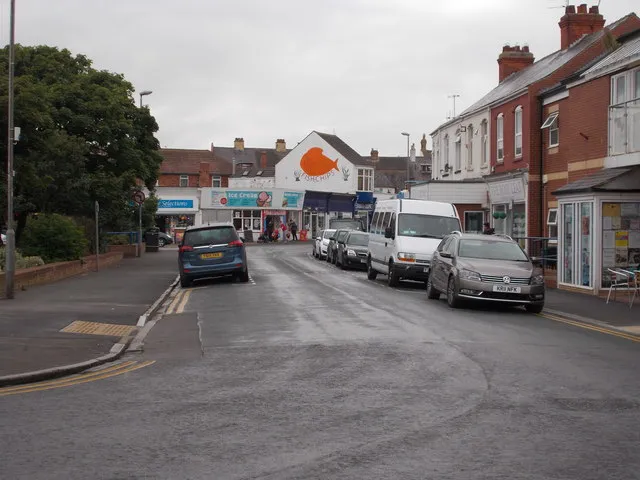
Photo: Betty Longbottom, CC BY-SA 2.0, via Wikimedia Commons
A white wall is a safe choice. It is also a memory vacuum. You can light it beautifully, style it carefully, and still end up with a gallery that could have been shot in any studio in any city. For adult glamour, that is a missed opportunity. A sense of place does something a backdrop cannot: it gives the work an accent, a story, and a pulse.
At Ruby Nixxons, we are not interested in pretending every shoot happens in a fantasy void. We like galleries that feel made in a real place, by real people, with the care that comes from respecting both. Location is not just scenery. It is a collaborator — and a responsibility.
Why Place Beats Backdrop
Glamour is not only lighting and lingerie. It is context. A Brighton flat with a bay window says something different from a Glasgow tenement stairwell, a Scarborough guesthouse, or a railway arch in Leeds. The light falls differently. The textures are different. The mood shifts. A gallery with a sense of place feels personality-led rather than production-line.
That does not mean every shoot needs a landmark. It means the space should have character that belongs to the performer, the story, or the mood. A generic white wall can be a canvas, but too often it is a cop-out. UK audiences are canny. They can tell when a gallery has been made with thought and when it has been assembled from the same three backdrops as everyone else.
Seaside Towns: Salt, Wind and Honesty
Brighton, Margate, Scarborough, Blackpool, Portobello. The British seaside has a particular kind of glamour — a bit faded, a bit bracing, entirely honest. Off-season light can be gorgeous: soft, silvery, and far more interesting than a sunny postcard. The wind, however, is not your friend. Neither is sand in a camera bag.
Practical location scouting matters here. Check tide tables. Have a weather backup. Book a private room rather than treating a public beach as a free set. If you are shooting on council land, ask about permits. If you are near residents, keep the crew small, the noise low, and the schedule sensible. Do not block the promenade. Do not treat a town as a backdrop that owes you a living. Respect the postcode and it will show in the pictures.
Period Flats and Tenement Character
Georgian Bath, a London mansion block, a Glasgow tenement, a Welsh cottage with thick walls and small windows. These spaces bring high ceilings, sash windows, original fireplaces, and the kind of texture that no flat-pack studio can fake. They also bring neighbours, communal stairs, and sound that travels further than you think.
Hire through a location agency or negotiate directly with the owner. Get written permission. Check the lease and the insurance. If you are using a communal stairwell, ask before you turn it into a set. Blackout blinds are your friend. No nudity in visible windows. No geotagging a private home. The fantasy can be intimate without being invasive.
Studio Spaces Are Not the Enemy
A studio can be personality-led if it is styled with intent. A Northern Quarter loft in Manchester, a community hall in Cardiff, a railway arch in Leeds — these can work beautifully. The white wall is not banned. It is just better when it is part of a decision rather than a default.
Check the venue's rules on adult filming before you book. Not every space allows it, and that is their right. Ask about public liability insurance, noise limits, loading access, and privacy. Do not assume a landlord knows what you are planning. Be honest. A venue that says yes with full knowledge is worth far more than one that would say no if it knew.
Scouting With a Grown-Up Brain
Location scouting is not just about whether a place looks nice. It is about light direction, access, power, parking, changing space, toilets, weather backup, and neighbours. Adult content adds another layer. Some venues will refuse. Some public spaces need council permission. Private land needs the owner's consent. Heritage sites and National Trust properties often have strict rules. Ask first, ask clearly, and accept the answer.
Privacy is part of the job. Avoid house numbers, street signs, and identifying features in shot. Blur number plates. Do not post a location tag that points to someone's home. Think about who might be in the background and whether they have agreed to be there. A grown-up gallery protects the people who made it possible.
The Neighbour Test
If a neighbour can see, hear, or be inconvenienced by the shoot, rethink. Keep the crew small. Schedule deliveries and arrivals sensibly. Do not leave kit in communal halls. Do not fill the pavement with vans. A polite letter through the door can do wonders. Leaving no trace is not just good manners; it is how you get invited back.
Postcode as Personality
Location shapes styling, wardrobe, and story. A rainy Bristol flat suggests something different from a Blackpool seafront at dawn. A period flat in Bath invites elegance; an industrial arch invites edge. The trick is not caricature. It is not a British theme park of teacups and bunting. It is letting the place inform the mood without turning it into a prop.
When a gallery has a sense of place, it feels like someone actually lives, works, and creates there. That is what makes it memorable. It is also what makes it feel like Ruby Nixxons: glamour with a postcode, made with consent and care.
The Bottom Line
Place is a collaborator, not a free resource. Ask permission. Pay fairly. Protect privacy. Respect neighbours. Then let the location do its quiet work. A white wall can look expensive. A real place can feel alive. In 2026, with more adult content than ever, alive is the thing worth choosing.