The Five-Minute Once-Over: How to Tell a Decent Adult Site From a Dodgy One
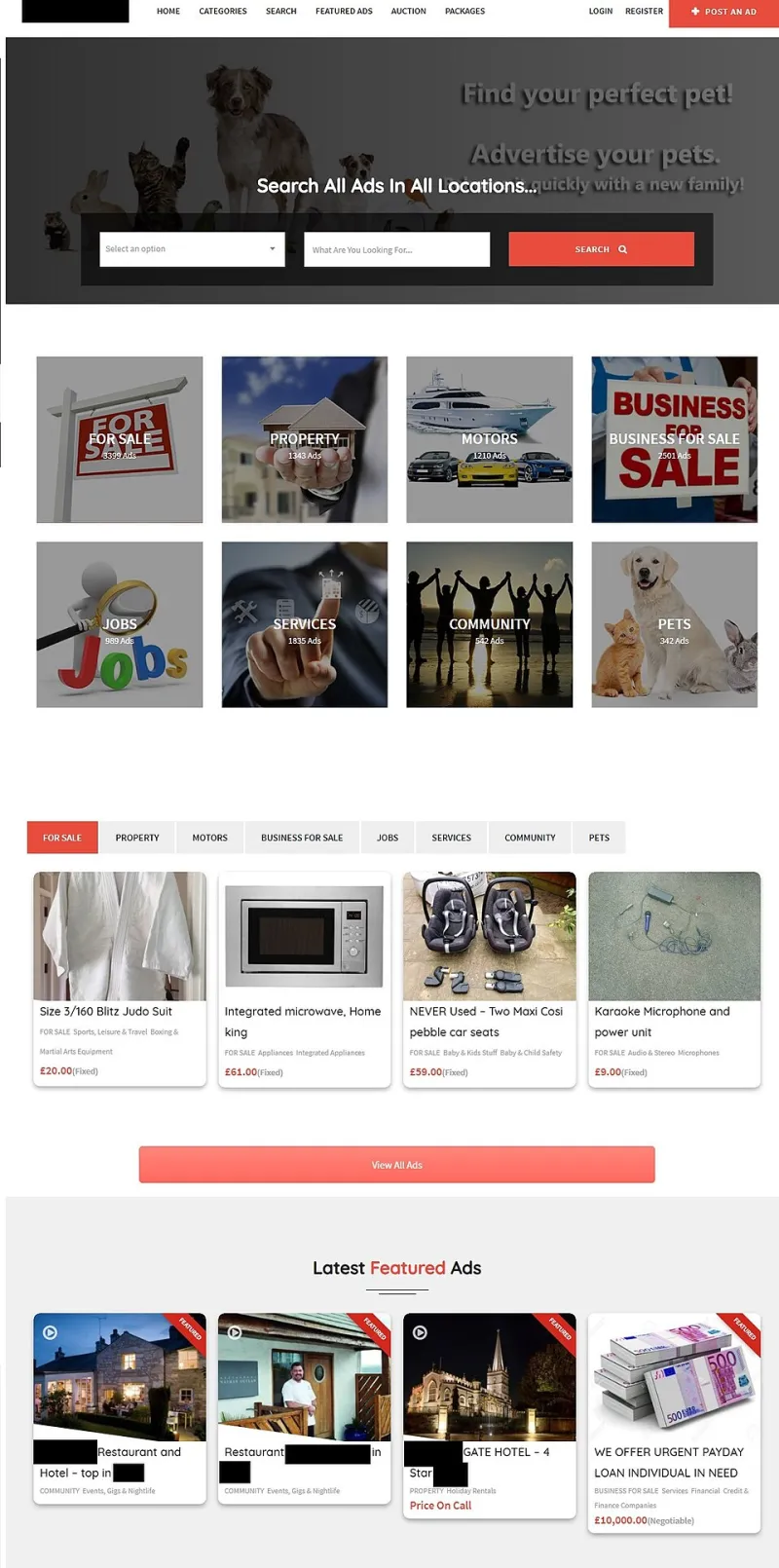
Photo: Quick Market, CC0, via Wikimedia Commons
Five minutes isn't long. It's a kettle boiling, a bus that hasn't turned up, the gap between 'I'll just have a quick look' and typing in card details you'll regret by Friday. But it's long enough to work out whether an adult site has been built by people who give a toss, or by someone who bolted a payment button onto a scraped gallery and went to the pub.
None of this is about turning you into an amateur detective. It's about knowing where to look, and in what order. Here's the once-over I'd run myself, and it works whether you're signing up to a solo performer's site or a big subscription platform.
Start with the consent statement — and read it like a sceptic
Almost every site now uses the word 'consent' somewhere, because it's good marketing. The tell is whether it says anything specific. A proper statement tells you that every performer is an adult, that they confirmed in writing what they were and weren't willing to do, and that they can pull material down later if they change their mind. A bad one is a badge with a tick on it and no sentences behind it.
Ask yourself one blunt question: does this read like it was written to protect the people in the pictures, or to reassure me at the checkout? If it's the second, you've already learned something useful.
Check who is actually in the frame
Performer verification is the bit fans skip and the bit that matters most. A decent operation will tell you how it confirms identity — photo ID, a video call, a signed release form, records kept and kept properly. Some publish a verification page; others bury it three clicks deep. Either is fine, as long as it exists.
One thing worth untangling, because plenty of sites deliberately muddle it: age gates and performer checks are not the same thing. Age assurance is about the audience — the barrier that stops a fifteen-year-old wandering in. Performer verification is about the people on screen. A site that treats one as if it covers the other is either confused or hoping you are.
The dates will tell you more than the copy
Look at when the newest gallery went up. Then look at the news page, the blog, that little 'last updated' line in the footer. A site claiming to be thriving but which hasn't posted since 2023 is coasting on an archive, and archives are exactly where you find material nobody has checked in years.
Consent-aware operators are, almost by definition, housekeeping obsessives. They retire scenes when a performer asks. They prune. They date things. A tidy, current site is usually one with a working conscience behind it — and a scruffy, undated one is usually telling you where its priorities sit.
Pricing that doesn't rely on you being dozy
Nobody minds paying. People mind being ambushed. So check three things: what the monthly price actually is in pounds, what happens once any trial ends, and whether cancelling is a button or an email to an address that bounces.
If the headline price is in dollars and the small print is set in a font size designed for ants, somebody chose that. UK consumer rules are reasonably clear about upfront costs, and a site that leans on fog rather than clarity is giving you a preview of its customer service.
Removal policies: the bit nobody reads until it matters
A decent site states, plainly, how a performer gets something taken down and how quickly. Some go further and say a model can withdraw a scene entirely, no debate. That isn't a legal nicety — it's the clearest possible signal that the people in the pictures are treated as people rather than as stock.
If you genuinely cannot find a removal or takedown policy anywhere, assume the default is 'we'll get round to it' and plan accordingly.
Contact routes, company details, and a human at the end
A real address. A company number. A named data controller in the privacy policy. A support email that isn't a contact form which quietly eats messages. None of it needs to be glamorous; it needs to exist. The Online Safety Act pushed a lot of UK-facing sites into tidying this up, and you can usually feel the difference within about thirty seconds of landing on the page.
The gut check
Finally, notice how the site talks about the people on it. Named performers with credits and links, or 'blonde amateur 04'? Descriptions written by someone with a passing interest in human beings, or keyword soup? That's not prudishness — it's a question of whether the operation sees performers as collaborators or as inventory.
No checklist is perfect. But if a site passes the consent statement and the verification question, the rest tends to fall into line. And if it fails those two, close the tab, keep your fiver, and go somewhere that's done the work.